小霧山 kokiriyama
Ken Domon’s Children: Photography Book
Ken Domon’s Children: Photography Book
- 新刊
状態 全新 S
Sign up for our email newsletter and get a 10% OFF coupon!
Return Policy
Return Policy
For returns, please contact info@kokiriyama.com within 7 days of receiving your order.
See our full Return Policy for details.
Couldn't load pickup availability
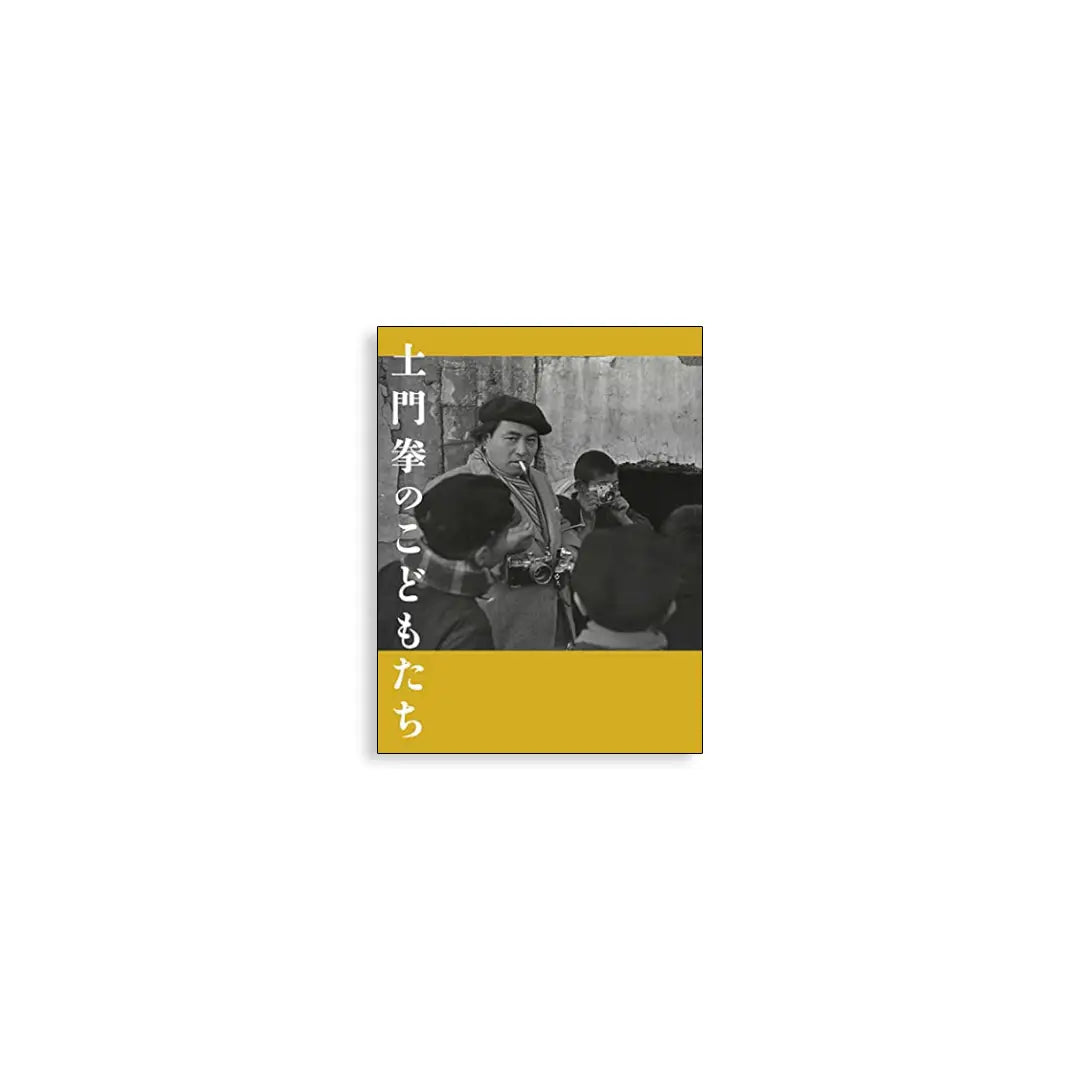
Ken Domon was also a master of children’s photography. This volume brings together 164 works, from his prewar breakthrough photographs after he began working as a photojournalist in 1935 to the postwar classic *Children of Chikuho*. It captures children in the difficult postwar years of the 1950s, when Japan still had a large population of children, presenting their vivid and radiant presence in one book.
After joining Nippon Kobo, a group devoted to “photojournalism,” in 1935, Domon documented a turbulent Japan. He explored a wide range of subjects, including Bunraku, Hiroshima, *Children of Chikuho*, *Portraits*, and *Pilgrimage to Ancient Temples*, leaving many enduring works in the history of photography. His photographs of children were also highly regarded. A photograph of a boy playing in water, taken while reporting in Izu before the war, became one of his breakthrough works.
After the war, Domon published snapshots of children in photography magazines. He regularly visited Tokyo’s Fukagawa area and even announced plans for a photo book titled *Children of Koto*, but ultimately abandoned the project in consideration of the social circumstances of the time.
In 1959, as Japan’s industrial structure changed and the coal industry was rationalized, mines began closing across the Chikuho coalfield in northern Kyushu. Domon documented the lives of impoverished mining families, including the sisters Rumie and Sayuri whom he met there. In 1960, he published *Children of Chikuho* through Patria Shoten, a 100-yen photobook printed on rough paper; it sold 100,000 copies. Its sequel, *Rumie-chan’s Father Has Died* (Kenkosha, 1960), also became a major social topic, and both works were adapted for television and film. Exhaustion led Domon to suffer a cerebral hemorrhage; its aftereffects meant he stopped photographing with a 35 mm camera.
The photographs of children playing freely and energetically in the 1950s continue to move viewers across generations. They also capture Japanese society and everyday life of the period, making them valuable records of Japan before its era of rapid economic growth.
Publisher: Crevis
Published: 2022
Pages: 192
Size: 258 × 195 mm
Ken Domon / Children’s photography / Showa-era documentary / Children Photography / Showa Era / Japanese documentary photography
