-
Sukiya Architecture and Gardens Photobook
Regular price ¥33,000 JPYRegular price -
Tea Room Etiquette: Japanese Tea Room Architecture
Regular price ¥8,800 JPYRegular price -
Architectural Photography Series: Tea Rooms, Volume 2
Regular price ¥6,600 JPYRegular price -
Architectural Photography: Tea Rooms, Volumes 1 & 2
Regular price ¥9,900 JPYRegular price -
Teahouse Etiquette | Japanese Tea-Room Architecture
Regular price ¥9,900 JPYRegular price -
Architectural Photography Series: Tea Rooms, Volume 3
Regular price ¥6,600 JPYRegular price -
Sukiya-zukuri | Works of Masaya Hirata (2 Volumes)
Regular price ¥19,800 JPYRegular price -
Tsuboniwa: Small Courtyard Gardens in Kyoto Townhouses
Regular price ¥9,900 JPYRegular price -
Chashitsu | The Japanese Tea Room
Regular price ¥11,000 JPYRegular price -
Sukiya: Limited to 2,000 Copies, with a Manuscript by Teiji Ito
Regular price ¥99,000 JPYRegular price -
Japanese Folk Houses: Complete 8-Volume Set
Regular price ¥66,000 JPYRegular price -
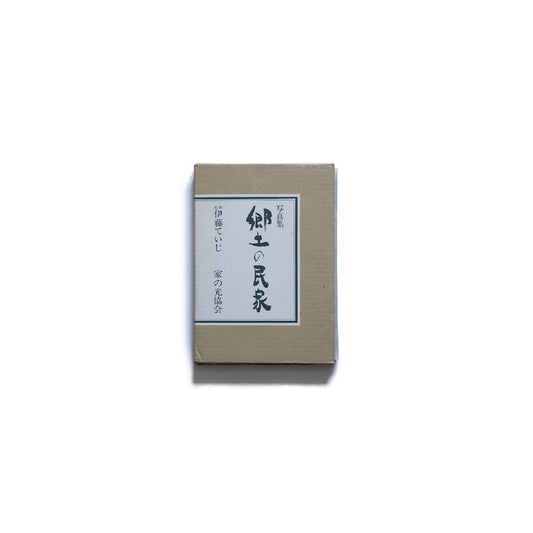
Photographic Collection: Traditional Folk Houses of Japan
Regular price ¥9,900 JPYRegular price -
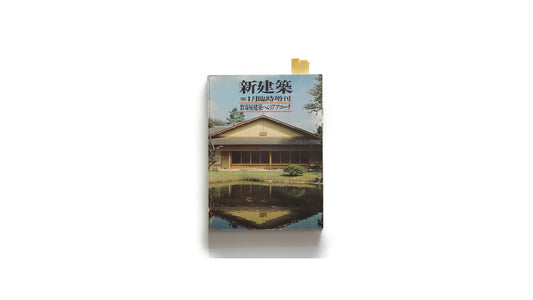
Shinkenchiku, January 1983 Special Issue: Methods of Sukiya Architecture
Regular price ¥6,600 JPYRegular price -
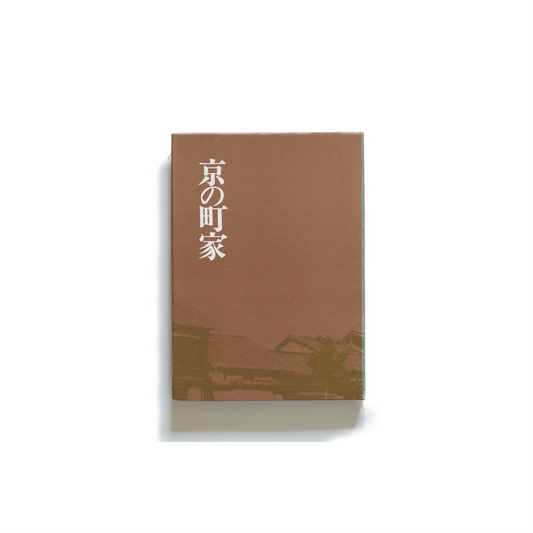
Kyoto Machiya: Traditional Townhouses
Regular price ¥11,000 JPYRegular price -
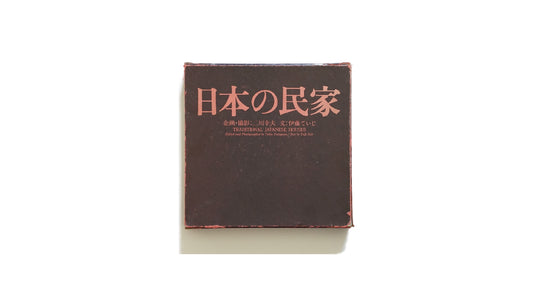 Sold out
Japanese Folk Houses: Yukio Futagawa
Regular price ¥55,000 JPYRegular price -
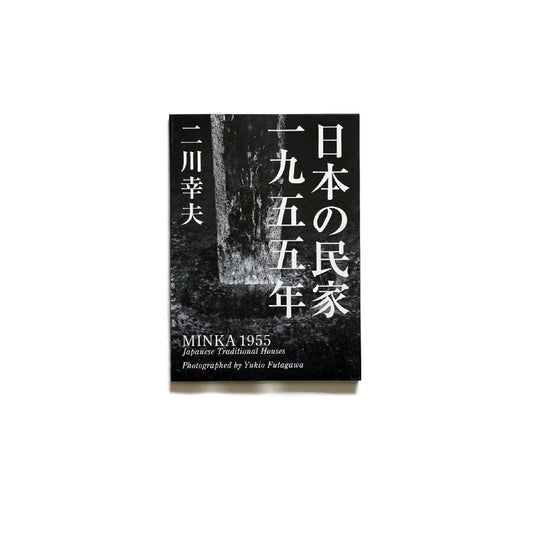
Japanese Folk Houses, 1955 | Popular Edition
Regular price ¥4,290 JPYRegular price -
 Sold out
Katsura Imperial Villa and Tea Rooms
Regular price ¥6,600 JPYRegular price -
Chochikukyo | A Century of Japanese Residential Architecture
Regular price ¥5,500 JPYRegular price




Books on Japanese Folk Houses and Sukiya — by theme, in chronological order
Japanese Folk Houses
Sukiya and the Tea Room
The folk-house selection centres on Yukio Futagawa’s record: from the 1955 edition that started it (this popular edition is its re-edit) to the eight-volume set covering the whole country, it shows thirty years spent on the same subject. The sukiya selection turns on Teiji Ito’s line of work, with the manuscript-bearing limited edition of “Sukiya” (1967) and “Sukiya: Architecture and Gardens” (1979) as its two poles. For the tea room itself, the Taisho-era “Kenchiku Shashin Ruiju” collections are the oldest documents, followed by the postwar “Chashitsu” (1949) and the tea-room manuals of 1977 and their popular edition of 1981.
Stock and prices change — please check each product page.